Credit insurance is now a foundational component of renewable energy project finance, especially as capital providers contend with the credit risks inherent to long-term power and energy service contracts. At Energetic Capital, we specialize in quantifying and transferring these risks, making clean energy assets financeable for a broad universe of developers, financiers, and investors. To fully understand what drives credit insurance pricing in renewable project finance, it’s crucial to break down the levers that influence premiums, the data driving risk assessment, and how deal structure directly shapes insurance outcomes.
What Determines Credit Insurance Premiums for Renewable Energy Projects?
Credit insurance premiums are governed by a blend of project- and counterparty-specific factors, advanced analytics, and real-time market dynamics. In practical terms, the most significant premium determinants are:
- Counterparty Risk: The creditworthiness of the offtaker or counterparty under the revenue contract is the largest variable in premium setting. Unrated or sub-investment-grade (sub-IG) entities typically attract much higher premiums than established investment-grade (IG) offtakers.
- Contract Terms: The duration and structure of revenue contracts (such as Power Purchase Agreements, Energy Service Agreements, or leases) impact expected risk over time. Longer contracts, or those with more expansive coverage needs, result in higher cumulative exposure and thus higher premiums.
- Coverage Scope & Limit: The portion of project cashflows insured, whether 80% or just a first-loss layer, has a direct and often non-linear relationship to cost.
- Historical Performance & Data: Actual, observed loss rates, sector-specific data, and insights from large portfolios all drive risk assessment. For renewable energy, a track record of low default frequency can materially reduce pricing.
- Market Conditions: Macro trends such as shifts in reinsurance costs or evolving risk appetites among insurers indirectly shape premiums through broader pricing cycles.
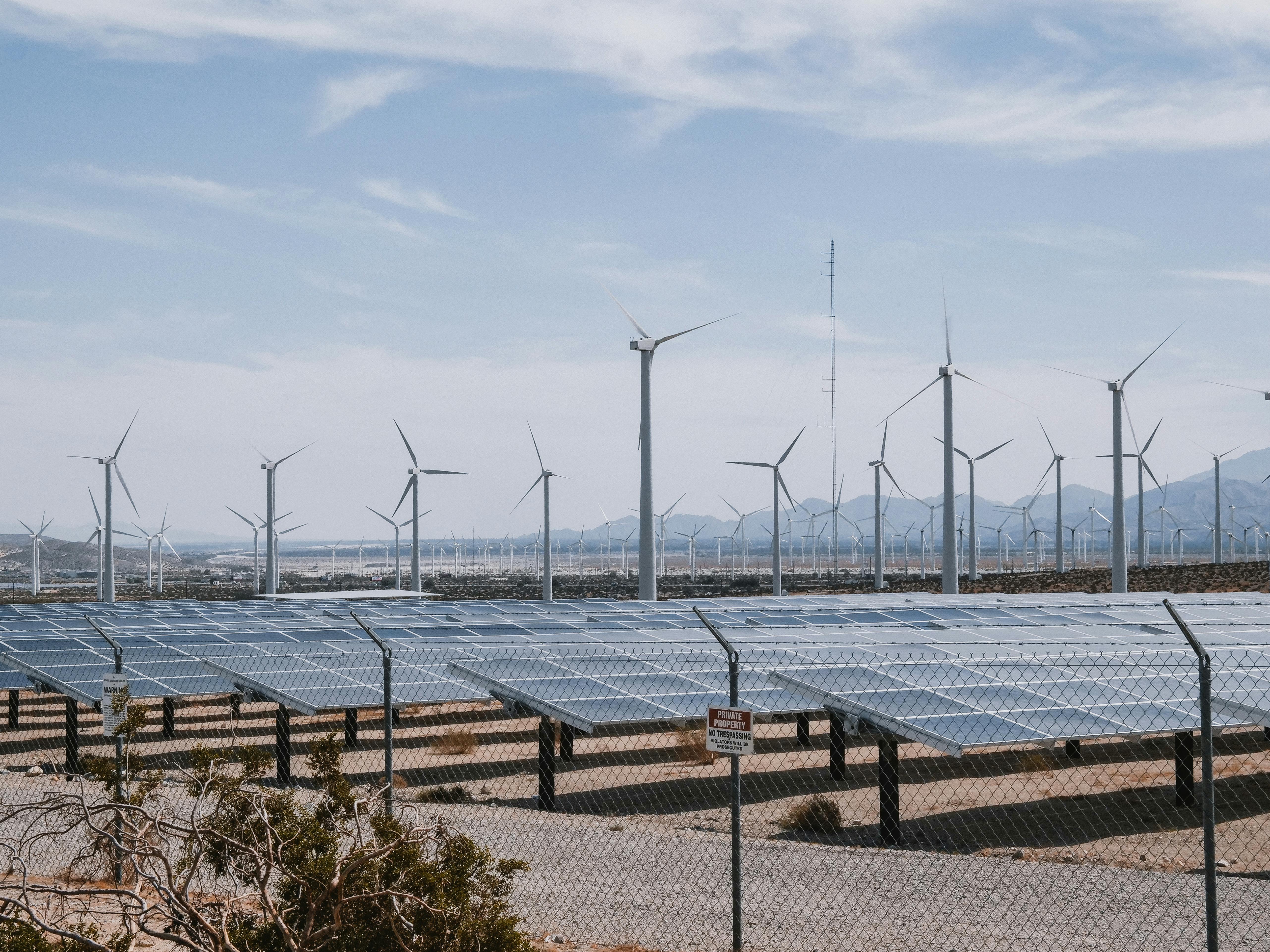
Definition: Credit Insurance in Renewable Project Finance
Credit insurance in the context of renewable project finance is a risk transfer mechanism designed to protect lenders, investors, and asset owners from losses due to nonpayment by an offtaker or contracted counterparty. At Energetic Capital, this insurance is custom-built for clean energy projects, whether solar, wind, battery storage, fuel cells, or community energy assets. Policies are structured to cover defaults under core project contracts, unlocking capital, enhancing lender terms, and often making otherwise challenging projects financeable.
The Core Levers That Drive Credit Insurance Pricing
- Counterparty Credit Quality: Premiums for unrated or sub-IG offtakers can be two to three times greater than for IG offtakers assuming all other things being equal.
- Contract Term & Coverage Period: Each year of added exposure increases the premium cost compared to a shorter tenor, due to compounding default probability. Structures that allow the insurance exposure to step down quickly can generate substantial savings.
- Insured Limit & Scope of Coverage: Insuring 90-95% of contracted cashflows costs more than insuring only an initial loss layer.
- Diversification: For sponsors aggregating projects, bundling diversified portfolios can lead to significant premium discounts.
- Macro & Market Reinsurance Factors: External market forces, such as increases in the cost or capacity of reinsurance, can indirectly add to premiums during volatile periods.
How Data and Analytics Inform Credit Insurance Pricing
At Energetic Capital, we have built a proprietary analytical platform to evaluate credit risk using data from more than 1,800 operating clean energy sites across the US. Our approach uses:
- Probability of Default (PD) Curves: Drawn from industry-standard sources and real-world portfolio data.
- Loss Given Default (LGD): Evaluated based on the project structure, presence of guarantees, local eletricity markets and recovery potential for the underlying obligation through other mitigants available to the project(s).
- Exposure at Default (EAD): Determined from revenue contract terms and the scale of project cash flows.
- Stress Testing and Scenarios: Portfolio performance through volatile cycles, including analogs to historical market disruptions, is tested to assess resilience.
This data-driven underwriting enables project sponsors to obtain highly tailored, competitive premium rates and enables capital providers to reliably price risk.
Real Case Studies: How Credit Insurance Reshapes Renewable Finance
- PE-backed Distributed Generation Portfolio: Energetic Capital enabled a $225M credit facility spanning combined heat and power, storage, electric vehicle infrastructure, and rooftop solar contracted with non-investment-grade customers. Insurance coverage improved debt terms, doubled allowable concentration of non-IG offtakers, and reduced the cost and timeline of diligence.
- Energy Efficiency-as-a-Service Developer: By leveraging Energetic Capital’s analytics and risk transfer, a portfolio unlocked $50M in new deployment, reduced capital costs by 30%, achieved 15% annual portfolio growth, and streamlined due diligence on otherwise challenging customer contracts.
- Wind Project Solution: For a 40MW wind project with an unrated offtaker, Energetic Capital’s policy covered up to P99 revenue, which allowed the project to secure $20M in permanent debt and deliver renewable electricity addition to the regional grid.
- Fuel Cell System Deployment: Coverage for a behind-the-meter fuel cell system enabled project closure with sub-IG counterparties, delivering energy savings and job support in less than three months.

Best Practices for Project Sponsors and Capital Providers
- Engage Early: The earlier in the development and financing life cycle credit insurance is considered, the wider the range of options and the greater the ability to optimize terms.
- Emphasize Data Quality: Transparent, complete, and up-to-date financials and contract documentation are vital. Robust data accelerates underwriting and delivers sharper premium quotes.
- Seek Portfolio Solutions: Group similar projects, especially across non-IG offtakers, to maximize diversification credits and improve pricing.
- Lean on Specialist Partners: Work with dedicated platforms such as Energetic Capital whose track record and focus on renewable credit risk support better execution, capital access, and competitive coverage options at scale.
FAQ: Credit Insurance Pricing in Renewable Project Finance
What is the typical range of credit insurance premiums for renewable projects?
Most projects price annual credit insurance between 2.5% to 7% of the insured limit, with the largest cost driver being the counterparty’s credit quality, insured tenor, and coverage structure.
When should project sponsors consider credit insurance?
Credit insurance should be evaluated as early as possible during project development, negotiations with lenders, or when non-investment-grade offtakers are involved. Early assessment gives sponsors more leverage to optimize structure and terms.
How does portfolio structuring affect the price?
Aggregating projects with different offtakers (especially with varying credit grades) improves risk diversification, which can lead to significantly lower insurance premiums than single-asset transactions.
Why do lenders and investors require credit insurance in renewables?
Lenders require predictable, investment-grade risk profiles to fund projects at scale. Insurance reduces risk, expands lender participation, and brings investment-grade execution to projects with unrated or weaker counterparties.
What distinguishes Energetic Capital in this market?
Energetic Capital focuses solely on credit risk solutions for renewable projects, has enabled over $800 million in value, and supports a range of technologies. Our data-driven approach, proprietary analytics, and S&P A- insurance partnerships deliver flexible, bankable solutions at scale.
Conclusion
Ultimately, credit insurance pricing in renewable project finance is a product of deep risk assessment, structured deal architecture, and tailored data analytics. Sponsors that understand and actively manage each lever: counterparty quality, contract structuring, coverage sizing, and transparent data; are best positioned to unlock bankability and scale project deployment. At Energetic Capital, we partner with forward-thinking developers, lenders, and portfolio managers to deliver certainty and liquidity where it matters most: at the intersection of credit risk and project financing.
If you’re ready to see how your project, portfolio, or transaction could benefit from credit insurance, reach out to our team for a confidential, data-driven assessment and a premium quote tailored to your unique structure.

What Drives Credit Insurance Pricing in Renewable Project Finance: Premium Levers, Data, and Deal Structure

Credit insurance is now a foundational component of renewable energy project finance, especially as capital providers contend with the credit risks inherent to long-term power and energy service contracts. At Energetic Capital, we specialize in quantifying and transferring these risks, making clean energy assets financeable for a broad universe of developers, financiers, and investors. To fully understand what drives credit insurance pricing in renewable project finance, it’s crucial to break down the levers that influence premiums, the data driving risk assessment, and how deal structure directly shapes insurance outcomes.
What Determines Credit Insurance Premiums for Renewable Energy Projects?
Credit insurance premiums are governed by a blend of project- and counterparty-specific factors, advanced analytics, and real-time market dynamics. In practical terms, the most significant premium determinants are:
- Counterparty Risk: The creditworthiness of the offtaker or counterparty under the revenue contract is the largest variable in premium setting. Unrated or sub-investment-grade (sub-IG) entities typically attract much higher premiums than established investment-grade (IG) offtakers.
- Contract Terms: The duration and structure of revenue contracts (such as Power Purchase Agreements, Energy Service Agreements, or leases) impact expected risk over time. Longer contracts, or those with more expansive coverage needs, result in higher cumulative exposure and thus higher premiums.
- Coverage Scope & Limit: The portion of project cashflows insured, whether 80% or just a first-loss layer, has a direct and often non-linear relationship to cost.
- Historical Performance & Data: Actual, observed loss rates, sector-specific data, and insights from large portfolios all drive risk assessment. For renewable energy, a track record of low default frequency can materially reduce pricing.
- Market Conditions: Macro trends such as shifts in reinsurance costs or evolving risk appetites among insurers indirectly shape premiums through broader pricing cycles.
Definition: Credit Insurance in Renewable Project Finance
Credit insurance in the context of renewable project finance is a risk transfer mechanism designed to protect lenders, investors, and asset owners from losses due to nonpayment by an offtaker or contracted counterparty. At Energetic Capital, this insurance is custom-built for clean energy projects, whether solar, wind, battery storage, fuel cells, or community energy assets. Policies are structured to cover defaults under core project contracts, unlocking capital, enhancing lender terms, and often making otherwise challenging projects financeable.
The Core Levers That Drive Credit Insurance Pricing
- Counterparty Credit Quality: Premiums for unrated or sub-IG offtakers can be two to three times greater than for IG offtakers assuming all other things being equal.
- Contract Term & Coverage Period: Each year of added exposure increases the premium cost compared to a shorter tenor, due to compounding default probability. Structures that allow the insurance exposure to step down quickly can generate substantial savings.
- Insured Limit & Scope of Coverage: Insuring 90-95% of contracted cashflows costs more than insuring only an initial loss layer.
- Diversification: For sponsors aggregating projects, bundling diversified portfolios can lead to significant premium discounts.
- Macro & Market Reinsurance Factors: External market forces, such as increases in the cost or capacity of reinsurance, can indirectly add to premiums during volatile periods.
How Data and Analytics Inform Credit Insurance Pricing
At Energetic Capital, we have built a proprietary analytical platform to evaluate credit risk using data from more than 1,800 operating clean energy sites across the US. Our approach uses:
- Probability of Default (PD) Curves: Drawn from industry-standard sources and real-world portfolio data.
- Loss Given Default (LGD): Evaluated based on the project structure, presence of guarantees, local eletricity markets and recovery potential for the underlying obligation through other mitigants available to the project(s).
- Exposure at Default (EAD): Determined from revenue contract terms and the scale of project cash flows.
- Stress Testing and Scenarios: Portfolio performance through volatile cycles, including analogs to historical market disruptions, is tested to assess resilience.
This data-driven underwriting enables project sponsors to obtain highly tailored, competitive premium rates and enables capital providers to reliably price risk.
Real Case Studies: How Credit Insurance Reshapes Renewable Finance
- PE-backed Distributed Generation Portfolio: Energetic Capital enabled a $225M credit facility spanning combined heat and power, storage, electric vehicle infrastructure, and rooftop solar contracted with non-investment-grade customers. Insurance coverage improved debt terms, doubled allowable concentration of non-IG offtakers, and reduced the cost and timeline of diligence.
- Energy Efficiency-as-a-Service Developer: By leveraging Energetic Capital’s analytics and risk transfer, a portfolio unlocked $50M in new deployment, reduced capital costs by 30%, achieved 15% annual portfolio growth, and streamlined due diligence on otherwise challenging customer contracts.
- Wind Project Solution: For a 40MW wind project with an unrated offtaker, Energetic Capital’s policy covered up to P99 revenue, which allowed the project to secure $20M in permanent debt and deliver renewable electricity addition to the regional grid.
- Fuel Cell System Deployment: Coverage for a behind-the-meter fuel cell system enabled project closure with sub-IG counterparties, delivering energy savings and job support in less than three months.
Best Practices for Project Sponsors and Capital Providers
- Engage Early: The earlier in the development and financing life cycle credit insurance is considered, the wider the range of options and the greater the ability to optimize terms.
- Emphasize Data Quality: Transparent, complete, and up-to-date financials and contract documentation are vital. Robust data accelerates underwriting and delivers sharper premium quotes.
- Seek Portfolio Solutions: Group similar projects, especially across non-IG offtakers, to maximize diversification credits and improve pricing.
- Lean on Specialist Partners: Work with dedicated platforms such as Energetic Capital whose track record and focus on renewable credit risk support better execution, capital access, and competitive coverage options at scale.
FAQ: Credit Insurance Pricing in Renewable Project Finance
What is the typical range of credit insurance premiums for renewable projects?
Most projects price annual credit insurance between 2.5% to 7% of the insured limit, with the largest cost driver being the counterparty’s credit quality, insured tenor, and coverage structure.
When should project sponsors consider credit insurance?
Credit insurance should be evaluated as early as possible during project development, negotiations with lenders, or when non-investment-grade offtakers are involved. Early assessment gives sponsors more leverage to optimize structure and terms.
How does portfolio structuring affect the price?
Aggregating projects with different offtakers (especially with varying credit grades) improves risk diversification, which can lead to significantly lower insurance premiums than single-asset transactions.
Why do lenders and investors require credit insurance in renewables?
Lenders require predictable, investment-grade risk profiles to fund projects at scale. Insurance reduces risk, expands lender participation, and brings investment-grade execution to projects with unrated or weaker counterparties.
What distinguishes Energetic Capital in this market?
Energetic Capital focuses solely on credit risk solutions for renewable projects, has enabled over $800 million in value, and supports a range of technologies. Our data-driven approach, proprietary analytics, and S&P A- insurance partnerships deliver flexible, bankable solutions at scale.
Conclusion
Ultimately, credit insurance pricing in renewable project finance is a product of deep risk assessment, structured deal architecture, and tailored data analytics. Sponsors that understand and actively manage each lever: counterparty quality, contract structuring, coverage sizing, and transparent data; are best positioned to unlock bankability and scale project deployment. At Energetic Capital, we partner with forward-thinking developers, lenders, and portfolio managers to deliver certainty and liquidity where it matters most: at the intersection of credit risk and project financing.
If you’re ready to see how your project, portfolio, or transaction could benefit from credit insurance, reach out to our team for a confidential, data-driven assessment and a premium quote tailored to your unique structure.