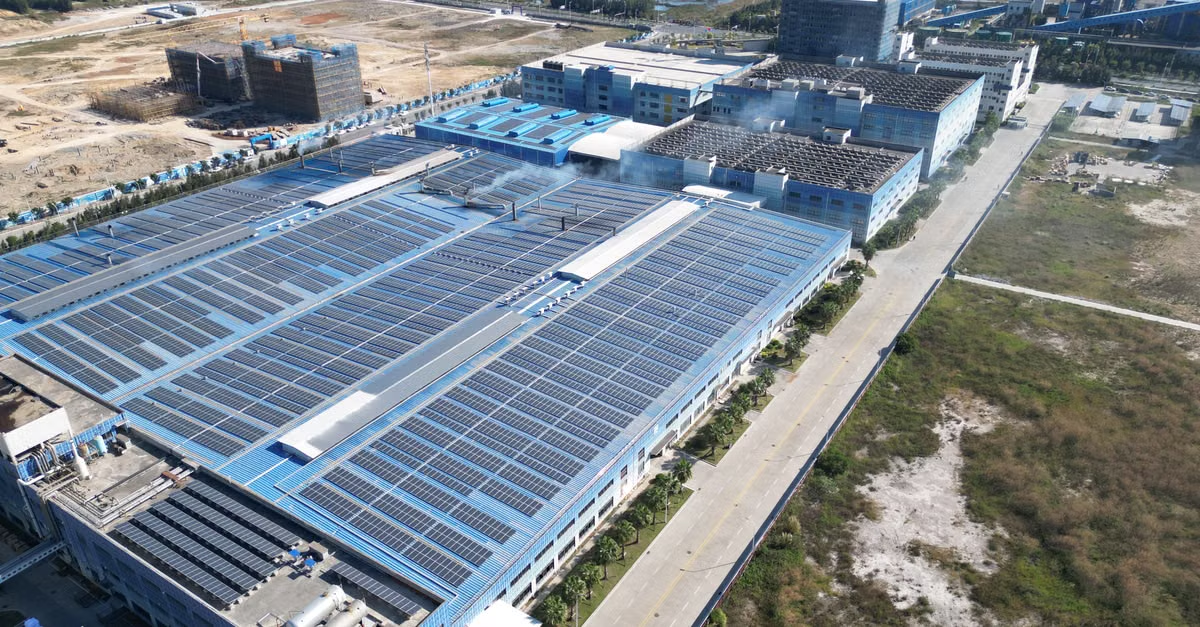
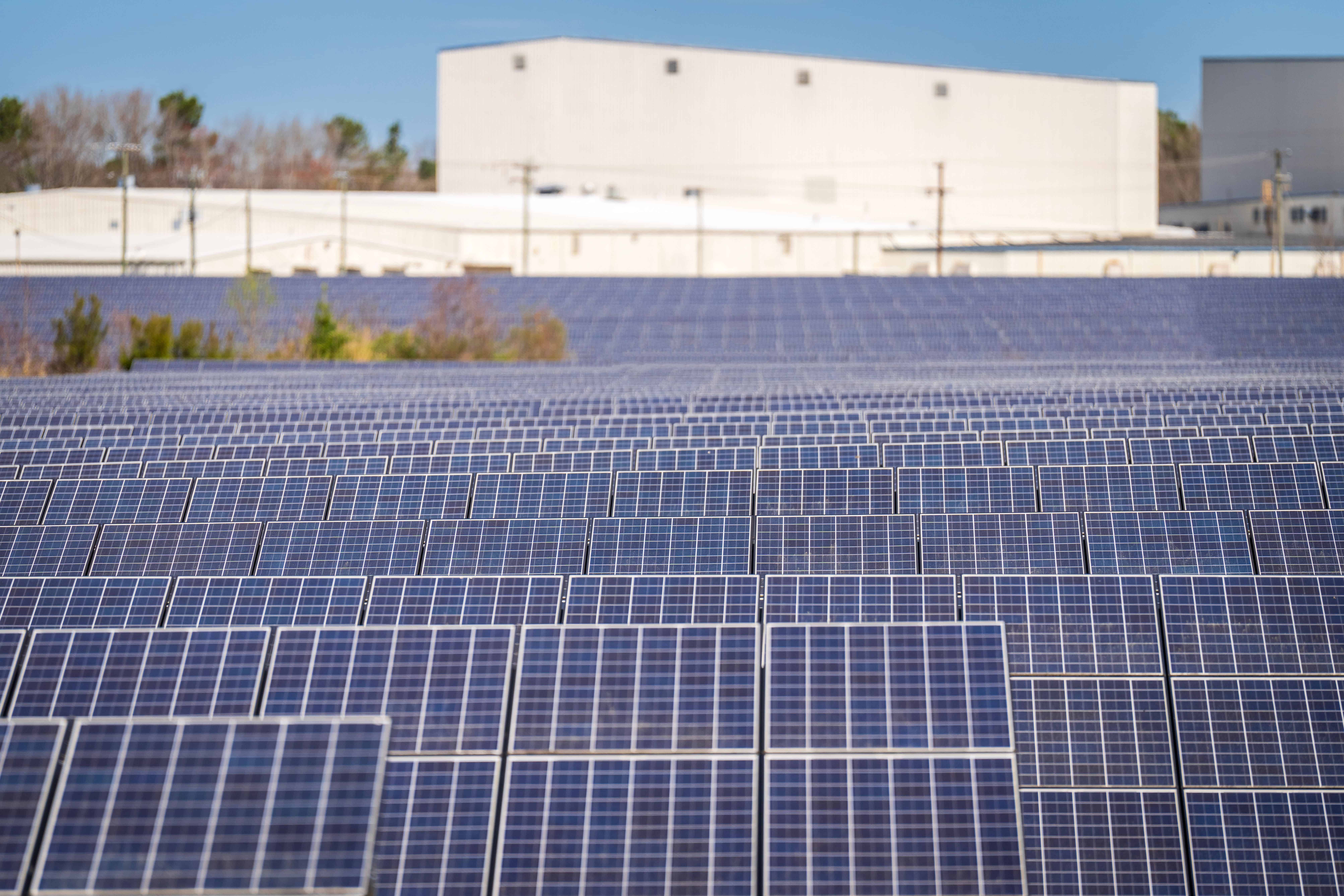
Portfolio managers overseeing renewable energy loan portfolios are acutely focused on concentration risk, their potential exposure to losses due to over-reliance on a limited number of counterparties, sectors, or geographies. In practical terms, when a bank or fund reviews a renewable project or portfolio, one of their primary questions is not just, “Is this project financeable?” They ask, “How does this exposure interact with every other loan or contract we already have?” This core question drives lender behavior and, ultimately, determines project finance outcomes for developers, sponsors, and asset owners.
At Energetic Capital, we see first-hand how proactive management of concentration risk opens new doors, structuring transactions that unlock capital for renewable projects serving even unrated or sub-investment-grade offtakers. Understanding the technical side of lender risk frameworks, and the solutions available for mitigation, is essential to scaling renewables and attracting broad-based investment.
Defining Concentration Risk in Renewable Energy Lending
Concentration risk in lending refers to the risk that a lender faces outsized losses due to a portfolio’s lack of diversification. If too much lending is tied to a particular borrower, sector, or geographic region, a single adverse event can trigger unexpectedly large losses. For renewable energy, these concentrations often revolve around:
- Single name exposure (for example, many loans to the same corporate offtaker)
- Sector concentration (for example, a high proportion of exposure to community solar, distributed generation, or a single clean energy technology)
- Geographic concentration (for example, assets clustered in one ISO or state)
- Product/structure uniformity (such as all non-recourse, long-tenor project loans)
These concentrated exposures can behave unpredictably in market downturns, regulatory shifts, or following credit events; quickly overwhelming traditional risk models that assume diversified portfolios. In a renewable context, portfolio managers and credit committees use internal frameworks to actively track, measure, and govern these concentrations.
Why Lender Concentration Risk Drives Financing Outcomes
Lenders assign significant weight to concentration risk because concentrated portfolios are more susceptible to tail events, rare but severe losses. In renewable lending, the presence of high concentration often leads to:
- Stricter advance rates on project or portfolio debt
- Increased pricing or fees for new transactions
- Shorter tenors and amortization requirements
- Outright rejections based on internal limits (“We like the asset, but we are full on this client or offtaker”)
Many platforms find that even highly attractive projects stall because internal lender allocations have already been met for a given offtaker, market, or sector. Lenders must also adhere to regulatory guidelines and reporting standards, which require clear demonstration of diversified, well-controlled portfolios; directly influencing their willingness and capacity to fund additional deals.
How Lenders Measure and Manage Concentration in Renewable Portfolios
Most institutional lenders embed concentration controls within a formal risk framework. This framework typically incorporates:
- Explicit exposure limits for individual offtakers, corporate groups, sectors, and geographies
- Risk rating systems that differentiate counterparties more granularly by creditworthiness, contract structure, and asset type
- Portfolio-level metrics like scenario analytics and stress testing against correlated defaults
- Ongoing monitoring and reporting with early warning indicators for rating migration, sector shocks, or regulatory/policy changes
At the practical level, lenders will compare each new exposure against their internal allocations. If a renewable platform proposes a 15 MW portfolio all contracted to a single national retailer, already at the bank’s maximum allowed exposure, lender flexibility will be severely limited, regardless of project-level economics or technical merit.
Unique Concentration Patterns in Renewable Energy
Renewable energy portfolios often display concentration patterns that differ from traditional lending books. Four drivers stand out:
- Recurring offtakers: Platforms frequently aggregate many projects under repeat relationships with a small number of corporate buyers through PPAs or ESAs. This appears as a single-name exposure in lender risk models.
- Sector verticalization: Specialized developers (for instance, those focusing on logistics, data centers, or municipal customers) may have a majority of revenue tied to a narrow segment.
- Geographic clustering: Favorable incentives, interconnection capacity, or regulatory support cause projects to cluster within certain ISOs, states, or utility footprints.
- Structural homogeneity: Renewable debt is overwhelmingly long-dated, non-recourse, and reliant on similar contracted revenue structures, making portfolios sensitive to correlated performance risk.
Lenders recognize these dynamics and treat renewable portfolios as uniquely prone to event risk, especially as penetration grows and new asset types (such as storage or hybrid projects) are introduced.

Real-World Manifestations of Concentration Risk
For many developers and asset owners, the challenge of concentration risk becomes tangible in interactions with lenders when:
- They receive feedback that further lending to a specific offtaker, sector, or market is not possible without an exception or risk mitigation
- Term sheets come back with increased pricing or tighter covenants to compensate for portfolio concentration
- Portfolio expansions require breaking up transactions, syndicating smaller tranches, or delaying execution due to internal credit committee constraints
As a developer or capital allocator, understanding these patterns is critical to managing deal certainty and to scaling programmatic financing.
How Credit Insurance and Risk Transfer Reshape Concentration Risk
Mitigating concentration risk is a central focus for both lenders and sponsors. Among the solutions available, credit insurance stands out for its ability to transfer risk and directly address internal portfolio restrictions.
The Role of Credit Insurance in Renewable Portfolios
Energetic Capital specializes in credit insurance and risk transfer solutions that serve precisely this need. When integrated at the contract level (for instance, to cover PPA or ESA payment defaults), credit insurance enables:
- Transformation of unrated or sub-investment-grade counterparty exposure into investment-grade equivalent risk
- Lower internal concentration loadings for lenders
- Smoother syndication and broader lender participation, even in portfolios with concentrated offtaker or market exposure
Credit insurance provided by Energetic Capital is tailored for renewable and clean energy infrastructure (including solar, storage, wind, fuel cells, and community solar), and is structured specifically to align with project finance requirements and capital markets standards.
Evidence from Real Transactions
The impact of credit insurance is visible in several documented cases:
- A distributed generation platform with non-investment-grade customers used credit insurance to unlock a $225 million credit facility, double non-IG exposure, speed up closings, and reduce diligence costs.
- An energy efficiency-as-a-service (EaaS) developer extended financing eligibility, deployed $50 million, reduced their cost of capital by 30%, and achieved 15% annual portfolio growth, all by making more customer contracts acceptable to lenders through credit enhancement.
- A wind project supporting over 40 MW of new capacity secured $20 million in permanent debt by insuring P99 revenue exposure with Energetic Capital’s solutions.
These examples underscore how risk transfer not only solves lender concentration constraints but also delivers direct economic benefits; improving terms, attracting new capital, and enabling continued growth even as portfolios become more clustered in specific sectors or with strategic offtakers.
Best Practices for Managing Concentration Risk in Renewable Portfolios
- Take a portfolio-first view: Anticipate how lenders see risk across all exposures, not just for a single project
- Be transparent about potential concentrations and bring proactive solutions to the table
- Use credit insurance and other risk transfer strategies intentionally, designed to fit the specific pressure points of your lenders
- Work collaboratively with credit officers and risk committees, not just originators, to set up scalable, repeatable financing programs
- Standardize key documentation to ease replication and accelerate capital deployment
How Energetic Capital Empowers Borrowers and Lenders
Because credit risk, not project performance or technology, is a primary constraint on liquidity for many renewable portfolios, credit insurance unlocks new capital pathways. Energetic Capital operates exclusively as a neutral partner, de-risking transactions and expanding capital access. Our demonstrated ability to facilitate over $1.5 billion in project value, support wider lender syndication, and deliver repeatable, scalable solutions makes us the industry’s go-to expert for tackling concentration risk.
FAQ: Concentration Risk in Renewable Energy Portfolios
What is concentration risk and why does it matter in renewable lending?
Concentration risk is the potential for outsized portfolio losses when lending is too heavily focused on specific names, sectors, or geographies. In renewables, this can occur if a lender has many loans to the same offtaker, or large exposure to one platform, region, or asset type. It matters because it increases susceptibility to tail events and often leads to tighter credit controls, higher pricing, or outright rejections for otherwise viable projects.
How do lenders formally manage concentration risk?
Lenders use internal frameworks that set explicit limits by obligor, sector, and geography. They monitor exposures using analytics like the HHI index, scenario stress tests, and regular reporting of shifts in credit profile or sector conditions. Portfolio management and risk officers are responsible for oversight and adherence to these frameworks.
What tools are available to mitigate concentration risk?
Common mitigation tools include credit insurance, risk transfer to third-party insurers, selling or participating loans, adjusting underwriting standards, and in some cases holding additional capital against concentrated exposures. Credit insurance is especially valuable in the renewable sector for converting unrated exposures into investment grade equivalents and broadening lender participation.
How does credit insurance help developers and asset owners facing lender concentration constraints?
Credit insurance enables developers and asset owners to structure transactions that are more acceptable to lenders by protecting against payment default on long-term contracts. This makes portfolios eligible for more debt and better financing terms, particularly when offtaker or regional concentrations would otherwise trigger lender limits.
Conclusion
Lender concentration risk is a defining factor in renewable project finance. For sponsors, developers, and investors seeking reliable, scalable access to capital, proactively addressing concentration risk is no longer optional, it is fundamental. Credibly quantifying and mitigating concentration is what moves the needle in lender credit committees and opens the door to expanded, repeatable financing.
For tailored advice on integrating credit insurance to unlock capital and overcome lender concentration constraints, reach out to Energetic Capital. Our award-winning risk transfer solutions are purpose-built for the evolving needs of renewable energy finance.

How Lenders Think About Concentration Risk in Renewable Energy Portfolios
Portfolio managers overseeing renewable energy loan portfolios are acutely focused on concentration risk, their potential exposure to losses due to over-reliance on a limited number of counterparties, sectors, or geographies. In practical terms, when a bank or fund reviews a renewable project or portfolio, one of their primary questions is not just, “Is this project financeable?” They ask, “How does this exposure interact with every other loan or contract we already have?” This core question drives lender behavior and, ultimately, determines project finance outcomes for developers, sponsors, and asset owners.
At Energetic Capital, we see first-hand how proactive management of concentration risk opens new doors, structuring transactions that unlock capital for renewable projects serving even unrated or sub-investment-grade offtakers. Understanding the technical side of lender risk frameworks, and the solutions available for mitigation, is essential to scaling renewables and attracting broad-based investment.
Defining Concentration Risk in Renewable Energy Lending
Concentration risk in lending refers to the risk that a lender faces outsized losses due to a portfolio’s lack of diversification. If too much lending is tied to a particular borrower, sector, or geographic region, a single adverse event can trigger unexpectedly large losses. For renewable energy, these concentrations often revolve around:
- Single name exposure (for example, many loans to the same corporate offtaker)
- Sector concentration (for example, a high proportion of exposure to community solar, distributed generation, or a single clean energy technology)
- Geographic concentration (for example, assets clustered in one ISO or state)
- Product/structure uniformity (such as all non-recourse, long-tenor project loans)
These concentrated exposures can behave unpredictably in market downturns, regulatory shifts, or following credit events; quickly overwhelming traditional risk models that assume diversified portfolios. In a renewable context, portfolio managers and credit committees use internal frameworks to actively track, measure, and govern these concentrations.
Why Lender Concentration Risk Drives Financing Outcomes
Lenders assign significant weight to concentration risk because concentrated portfolios are more susceptible to tail events, rare but severe losses. In renewable lending, the presence of high concentration often leads to:
- Stricter advance rates on project or portfolio debt
- Increased pricing or fees for new transactions
- Shorter tenors and amortization requirements
- Outright rejections based on internal limits (“We like the asset, but we are full on this client or offtaker”)
Many platforms find that even highly attractive projects stall because internal lender allocations have already been met for a given offtaker, market, or sector. Lenders must also adhere to regulatory guidelines and reporting standards, which require clear demonstration of diversified, well-controlled portfolios; directly influencing their willingness and capacity to fund additional deals.
How Lenders Measure and Manage Concentration in Renewable Portfolios
Most institutional lenders embed concentration controls within a formal risk framework. This framework typically incorporates:
- Explicit exposure limits for individual offtakers, corporate groups, sectors, and geographies
- Risk rating systems that differentiate counterparties more granularly by creditworthiness, contract structure, and asset type
- Portfolio-level metrics like scenario analytics and stress testing against correlated defaults
- Ongoing monitoring and reporting with early warning indicators for rating migration, sector shocks, or regulatory/policy changes
At the practical level, lenders will compare each new exposure against their internal allocations. If a renewable platform proposes a 15 MW portfolio all contracted to a single national retailer, already at the bank’s maximum allowed exposure, lender flexibility will be severely limited, regardless of project-level economics or technical merit.
Unique Concentration Patterns in Renewable Energy
Renewable energy portfolios often display concentration patterns that differ from traditional lending books. Four drivers stand out:
- Recurring offtakers: Platforms frequently aggregate many projects under repeat relationships with a small number of corporate buyers through PPAs or ESAs. This appears as a single-name exposure in lender risk models.
- Sector verticalization: Specialized developers (for instance, those focusing on logistics, data centers, or municipal customers) may have a majority of revenue tied to a narrow segment.
- Geographic clustering: Favorable incentives, interconnection capacity, or regulatory support cause projects to cluster within certain ISOs, states, or utility footprints.
- Structural homogeneity: Renewable debt is overwhelmingly long-dated, non-recourse, and reliant on similar contracted revenue structures, making portfolios sensitive to correlated performance risk.
Lenders recognize these dynamics and treat renewable portfolios as uniquely prone to event risk, especially as penetration grows and new asset types (such as storage or hybrid projects) are introduced.
Real-World Manifestations of Concentration Risk
For many developers and asset owners, the challenge of concentration risk becomes tangible in interactions with lenders when:
- They receive feedback that further lending to a specific offtaker, sector, or market is not possible without an exception or risk mitigation
- Term sheets come back with increased pricing or tighter covenants to compensate for portfolio concentration
- Portfolio expansions require breaking up transactions, syndicating smaller tranches, or delaying execution due to internal credit committee constraints
As a developer or capital allocator, understanding these patterns is critical to managing deal certainty and to scaling programmatic financing.
How Credit Insurance and Risk Transfer Reshape Concentration Risk
Mitigating concentration risk is a central focus for both lenders and sponsors. Among the solutions available, credit insurance stands out for its ability to transfer risk and directly address internal portfolio restrictions.
The Role of Credit Insurance in Renewable Portfolios
Energetic Capital specializes in credit insurance and risk transfer solutions that serve precisely this need. When integrated at the contract level (for instance, to cover PPA or ESA payment defaults), credit insurance enables:
- Transformation of unrated or sub-investment-grade counterparty exposure into investment-grade equivalent risk
- Lower internal concentration loadings for lenders
- Smoother syndication and broader lender participation, even in portfolios with concentrated offtaker or market exposure
Credit insurance provided by Energetic Capital is tailored for renewable and clean energy infrastructure (including solar, storage, wind, fuel cells, and community solar), and is structured specifically to align with project finance requirements and capital markets standards.
Evidence from Real Transactions
The impact of credit insurance is visible in several documented cases:
- A distributed generation platform with non-investment-grade customers used credit insurance to unlock a $225 million credit facility, double non-IG exposure, speed up closings, and reduce diligence costs.
- An energy efficiency-as-a-service (EaaS) developer extended financing eligibility, deployed $50 million, reduced their cost of capital by 30%, and achieved 15% annual portfolio growth, all by making more customer contracts acceptable to lenders through credit enhancement.
- A wind project supporting over 40 MW of new capacity secured $20 million in permanent debt by insuring P99 revenue exposure with Energetic Capital’s solutions.
These examples underscore how risk transfer not only solves lender concentration constraints but also delivers direct economic benefits; improving terms, attracting new capital, and enabling continued growth even as portfolios become more clustered in specific sectors or with strategic offtakers.
Best Practices for Managing Concentration Risk in Renewable Portfolios
- Take a portfolio-first view: Anticipate how lenders see risk across all exposures, not just for a single project
- Be transparent about potential concentrations and bring proactive solutions to the table
- Use credit insurance and other risk transfer strategies intentionally, designed to fit the specific pressure points of your lenders
- Work collaboratively with credit officers and risk committees, not just originators, to set up scalable, repeatable financing programs
- Standardize key documentation to ease replication and accelerate capital deployment
How Energetic Capital Empowers Borrowers and Lenders
Because credit risk, not project performance or technology, is a primary constraint on liquidity for many renewable portfolios, credit insurance unlocks new capital pathways. Energetic Capital operates exclusively as a neutral partner, de-risking transactions and expanding capital access. Our demonstrated ability to facilitate over $1.5 billion in project value, support wider lender syndication, and deliver repeatable, scalable solutions makes us the industry’s go-to expert for tackling concentration risk.
FAQ: Concentration Risk in Renewable Energy Portfolios
What is concentration risk and why does it matter in renewable lending?
Concentration risk is the potential for outsized portfolio losses when lending is too heavily focused on specific names, sectors, or geographies. In renewables, this can occur if a lender has many loans to the same offtaker, or large exposure to one platform, region, or asset type. It matters because it increases susceptibility to tail events and often leads to tighter credit controls, higher pricing, or outright rejections for otherwise viable projects.
How do lenders formally manage concentration risk?
Lenders use internal frameworks that set explicit limits by obligor, sector, and geography. They monitor exposures using analytics like the HHI index, scenario stress tests, and regular reporting of shifts in credit profile or sector conditions. Portfolio management and risk officers are responsible for oversight and adherence to these frameworks.
What tools are available to mitigate concentration risk?
Common mitigation tools include credit insurance, risk transfer to third-party insurers, selling or participating loans, adjusting underwriting standards, and in some cases holding additional capital against concentrated exposures. Credit insurance is especially valuable in the renewable sector for converting unrated exposures into investment grade equivalents and broadening lender participation.
How does credit insurance help developers and asset owners facing lender concentration constraints?
Credit insurance enables developers and asset owners to structure transactions that are more acceptable to lenders by protecting against payment default on long-term contracts. This makes portfolios eligible for more debt and better financing terms, particularly when offtaker or regional concentrations would otherwise trigger lender limits.
Conclusion
Lender concentration risk is a defining factor in renewable project finance. For sponsors, developers, and investors seeking reliable, scalable access to capital, proactively addressing concentration risk is no longer optional, it is fundamental. Credibly quantifying and mitigating concentration is what moves the needle in lender credit committees and opens the door to expanded, repeatable financing.
For tailored advice on integrating credit insurance to unlock capital and overcome lender concentration constraints, reach out to Energetic Capital. Our award-winning risk transfer solutions are purpose-built for the evolving needs of renewable energy finance.